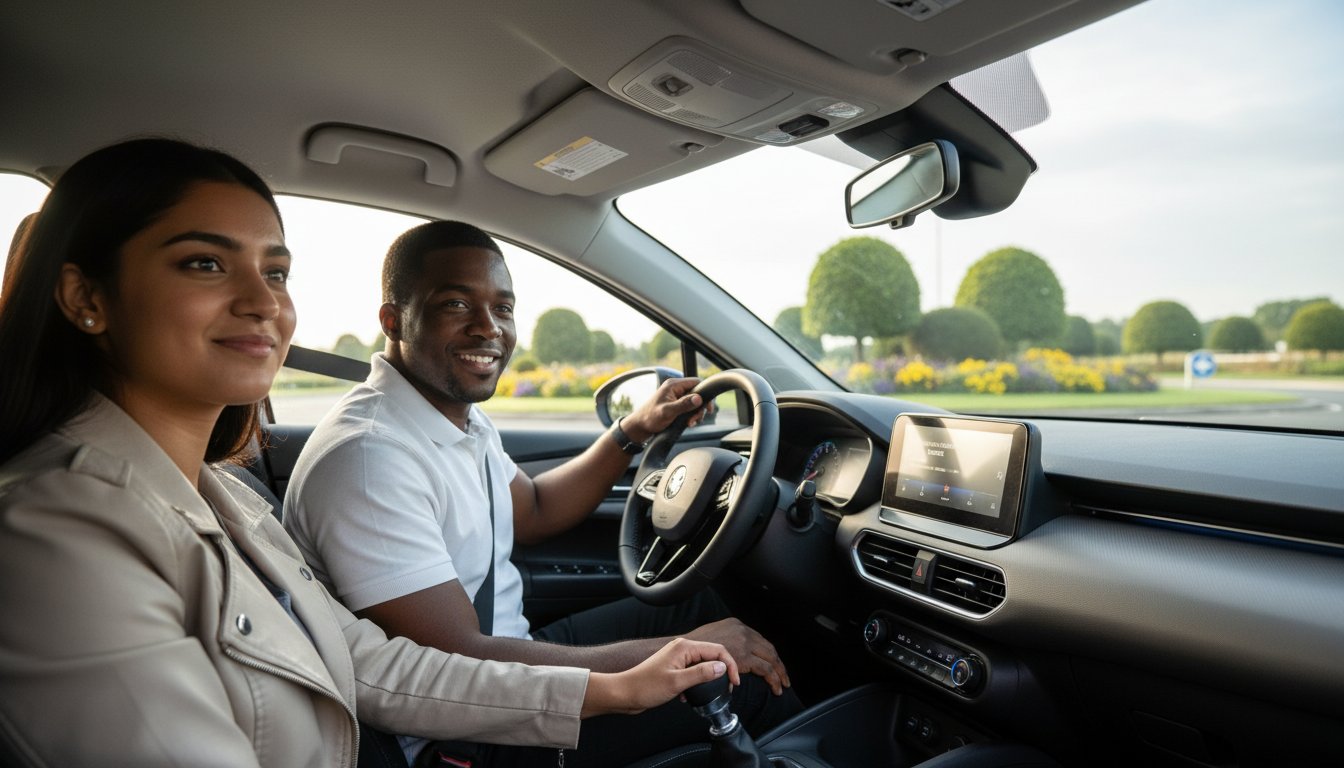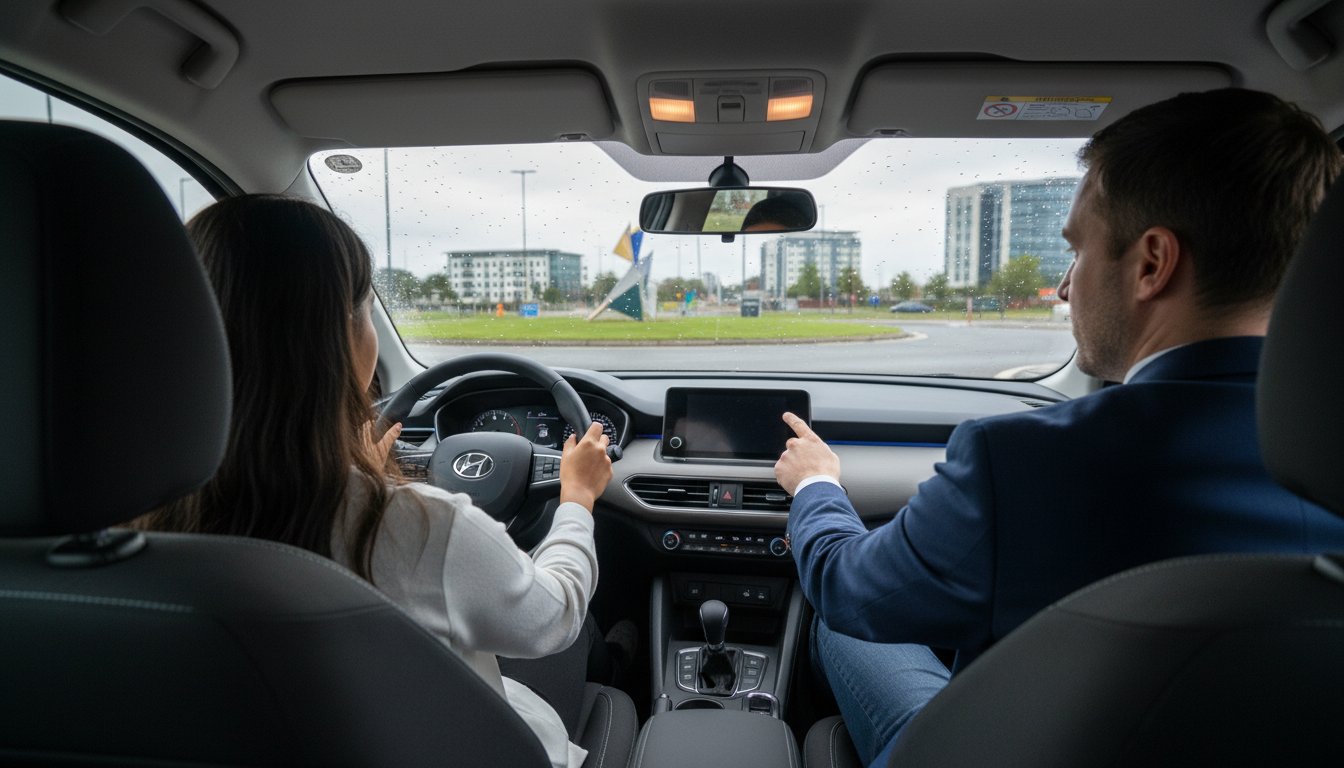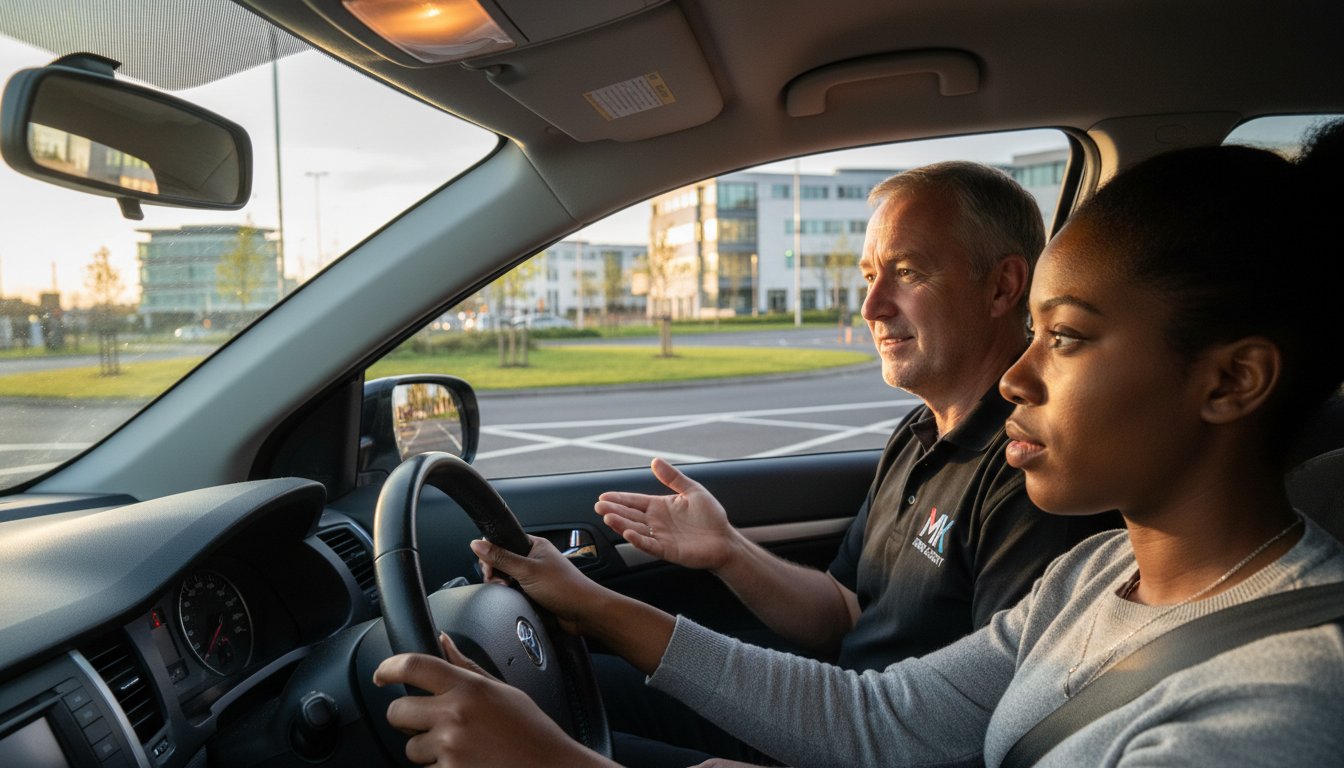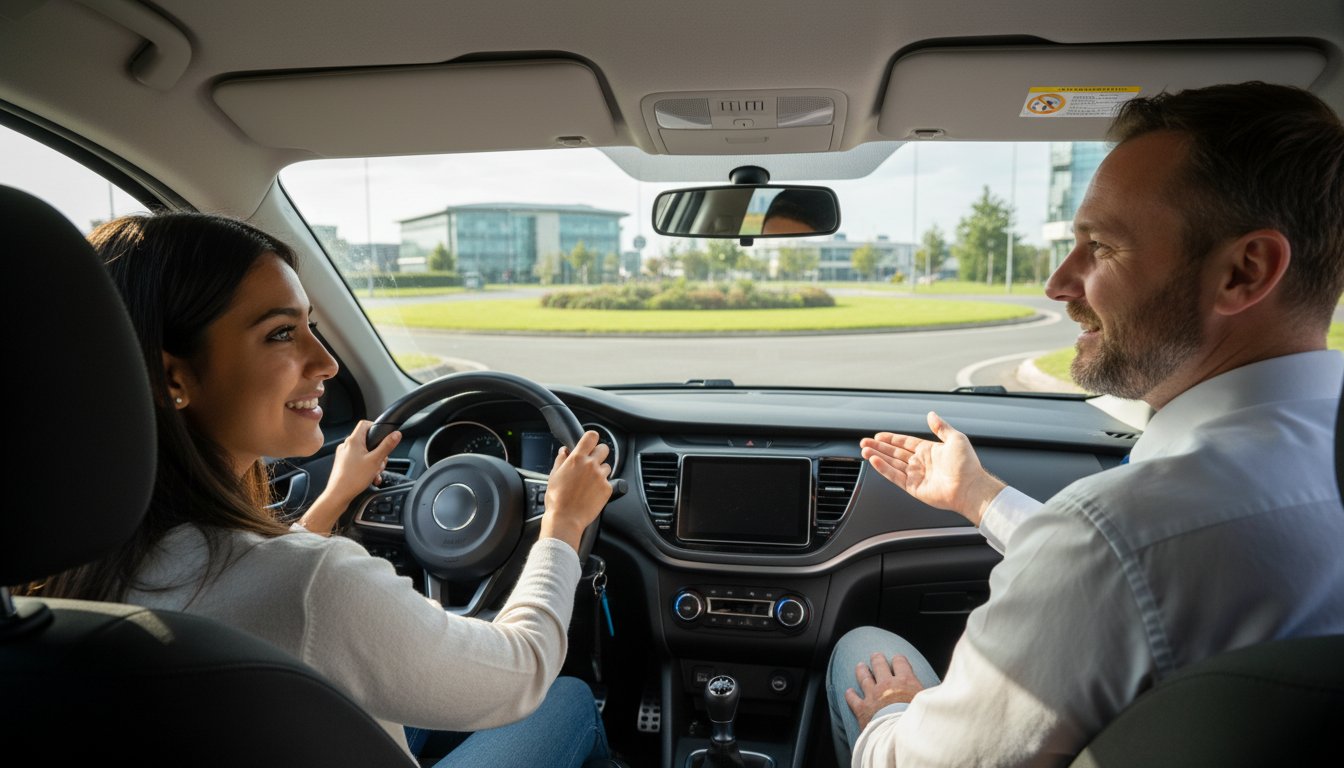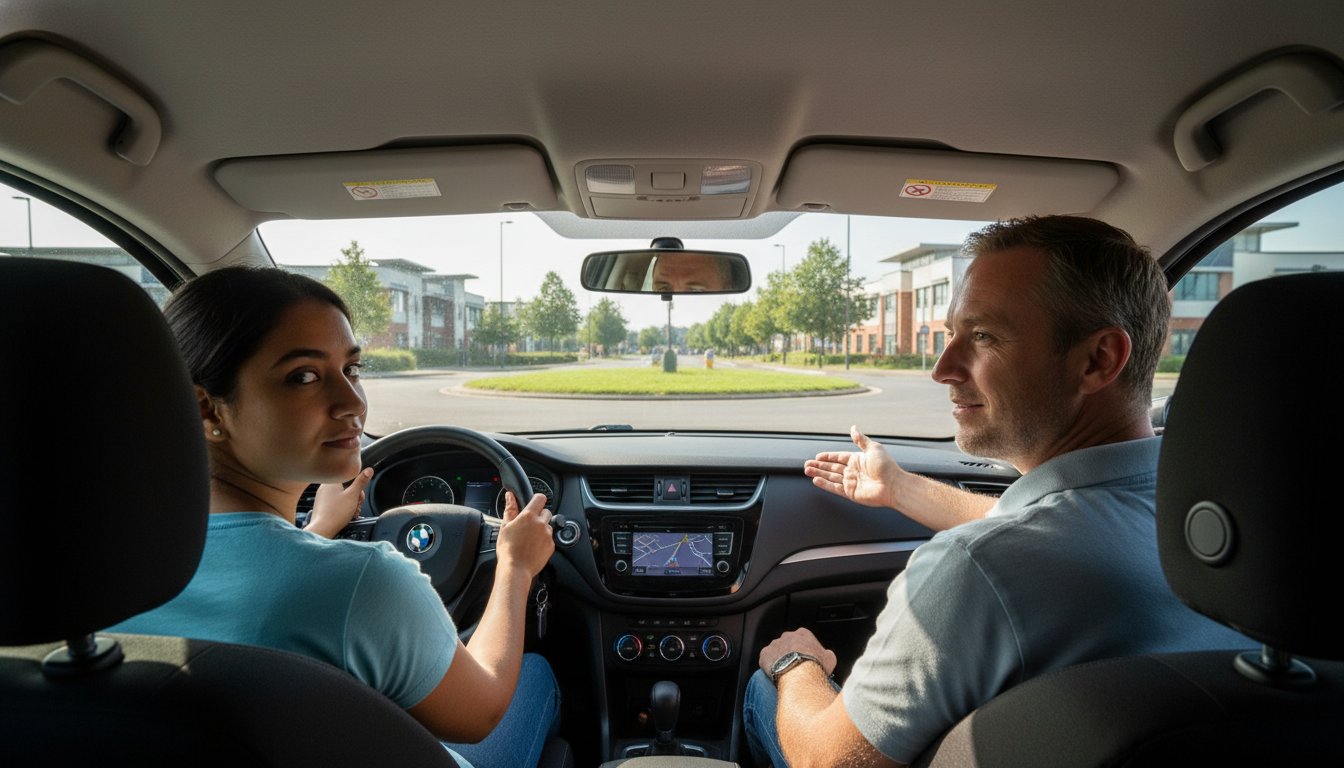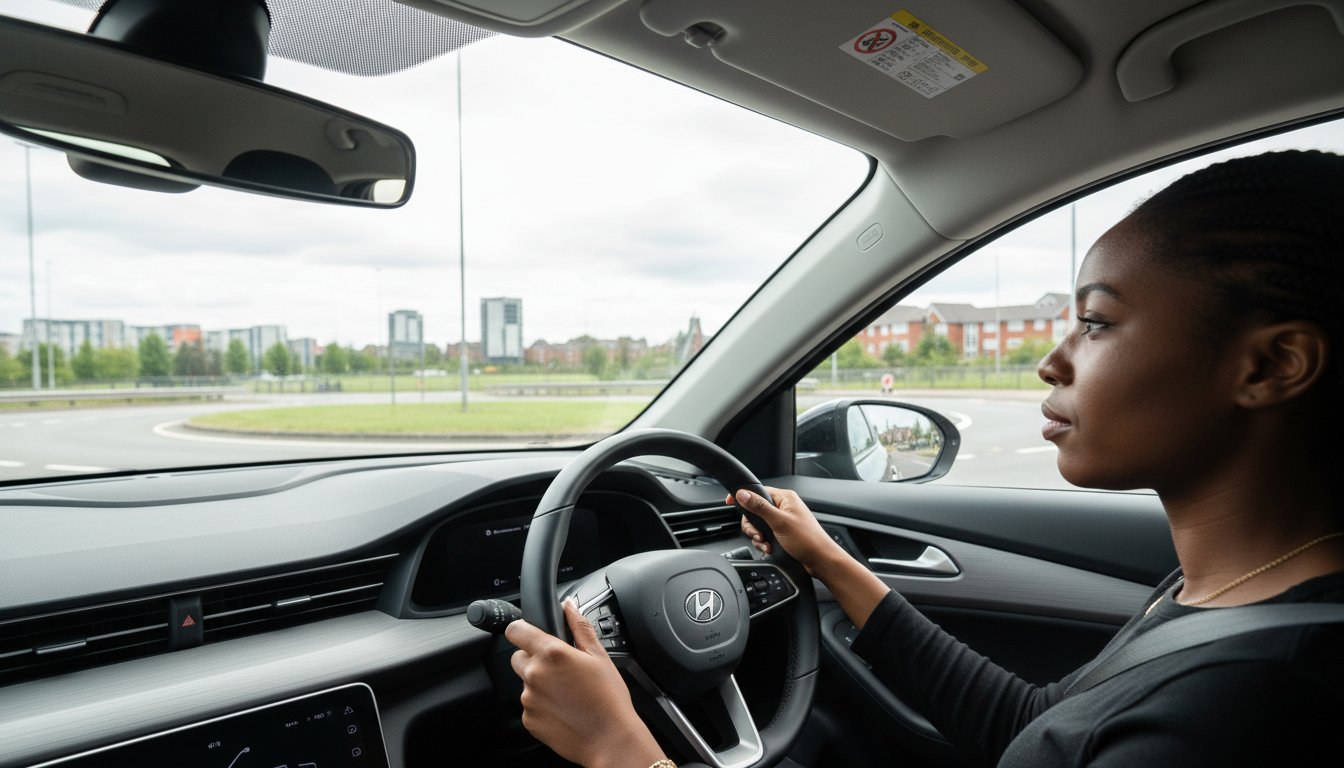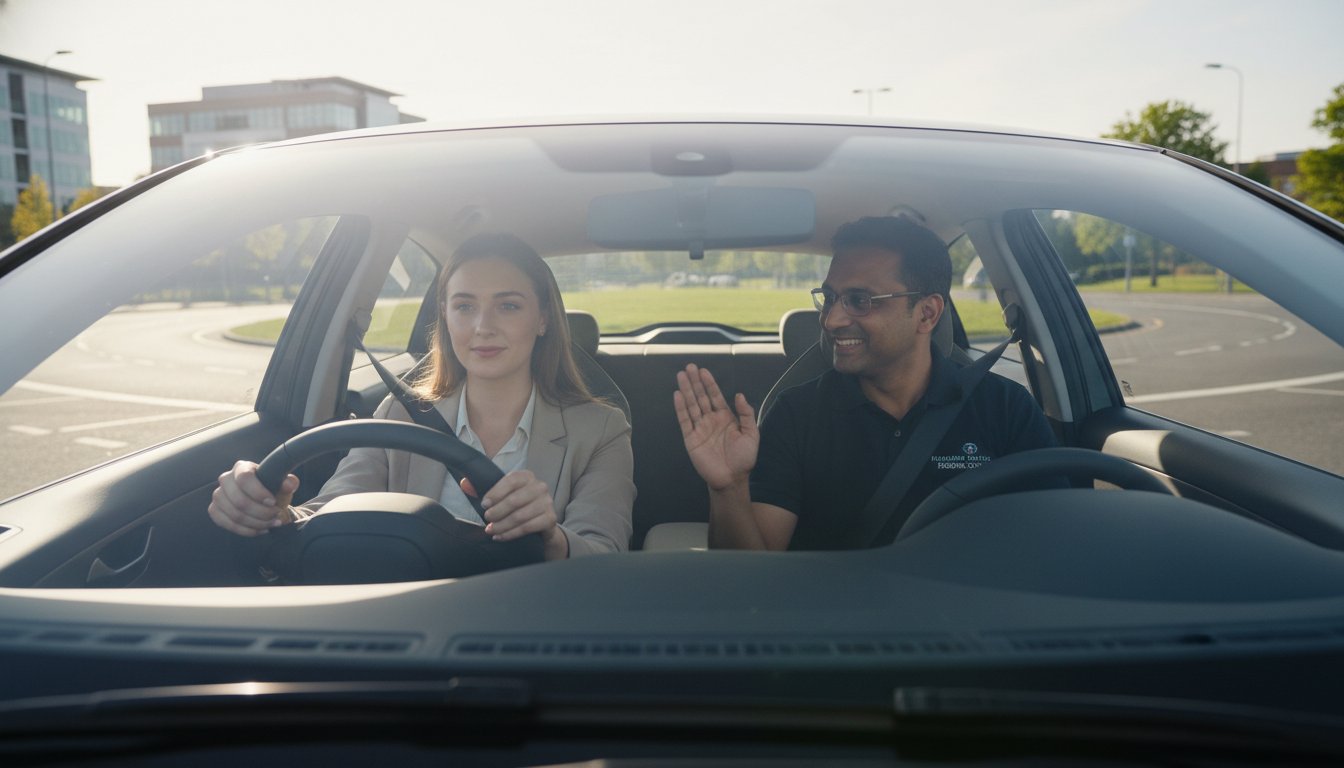
Did you know that while the national average pass rate often sits below 50%, students at Pass4you Driving School achieve a remarkable 83.33% first-time pass rate? It’s completely normal to feel a knot in your stomach when you think about stalling at a busy Milton Keynes roundabout or dealing with a “shouty” instructor who lacks patience. You likely feel like you’re throwing money away on driving lessons that don’t seem to lead anywhere, leaving you stuck in a cycle of anxiety and slow progress.
We understand those fears because we’ve helped hundreds of nervous learners find their feet. This guide will show you how to navigate the road to your licence with total confidence, save significant sums on tuition, and master the specific challenges of our local dual carriageways. You’ll learn the secrets to finding a calm mentor like Simon who actually listens to your concerns. We’re going to walk through the proven strategies for passing your practical test on the first attempt in 2026, ensuring you become a safe driver for life.
Key Takeaways
- Learn why prioritising long-term value over the lowest hourly rate can save you up to £500 on the total cost of your driving tuition.
- Discover whether a manual or automatic gearbox is the best fit for your future, considering the “licence for life” versus modern ease of driving.
- Gain the specific skills needed to master the Milton Keynes grid system and navigate complex roundabouts with absolute confidence.
- Understand what to expect from your first driving lessons to ensure you transition smoothly from a nervous beginner to a safe, capable driver.
- Find out how a calm, one-on-one mentoring style delivers an 83.33% first-time pass rate by focusing on your individual needs and building lasting confidence.
What to Expect from Your First Driving Lessons in 2026
Starting your journey behind the wheel is a huge milestone that brings a mix of excitement and nerves. In 2026, driving lessons follow a highly structured curriculum regulated by the Driver and Vehicle Standards Agency (DVSA). This isn’t just about learning to operate a machine; it’s a transformation from a provisional licence holder into a calm, confident road user. Our instructors, like Simon, focus on building your skills through a patient, step by step programme that prioritises your safety and comfort above all else.
By 2026, the standards for passing the UK driving test have evolved to include a 15% heavier focus on eco-driving and advanced hazard perception. You’ll learn how to anticipate traffic flow 200 yards ahead to avoid unnecessary braking, which saves fuel and reduces wear on the vehicle. Your first lesson will always begin with the “cockpit drill.” This involves learning the DSSSM routine: Doors, Seat, Steering, Seatbelt, and Mirrors. Once you’re comfortable, you’ll move on to the POM routine (Prepare, Observe, Move) to master moving off and stopping safely in a quiet, low traffic area.
The Legal Requirements Before You Start
You must have your provisional driving licence before you can touch the pedals. It’s easiest to apply online via the GOV.UK website, which currently costs £34 and usually arrives within 5 working days. On your first lesson, your instructor will conduct a mandatory eyesight test. You must be able to read a standard UK number plate from a distance of 20 metres. If you need glasses or contact lenses to do this, you must wear them every time you drive. You don’t need to pass your theory test before starting practical driving lessons, and many students find that seeing the road in person actually makes the theory revision much easier to understand.
Setting Realistic Expectations for Your Progress
Every learner is unique, and we celebrate that diversity in learning speeds. Data from the DVSA shows that the average learner requires 45 hours of professional tuition combined with 22 hours of private practice to reach test standards. However, don’t feel pressured by these numbers. Some students find their rhythm in 30 hours, while others prefer 60 hours to feel truly safe. Your “behaviour” behind the wheel, such as your ability to stay calm under pressure and your willingness to listen to feedback, significantly impacts how quickly you’ll progress. At Pass4you, we maintain an 83.33% first time pass rate because we wait until you are genuinely ready, ensuring you don’t just pass the test, but become a safe driver for life.
- Be Patient: Mastery of the clutch can take three or four lessons to click.
- Stay Consistent: Booking at least two hours of tuition per week helps retain muscle memory.
- Ask Questions: There are no “silly” questions when you’re in the driver’s seat.
Quality vs. Price: Calculating the Real Cost of Learning to Drive
Choosing the cheapest instructor on social media often feels like a win for your bank balance. However, this is one of the most common traps learners fall into. If you save £5 per hour on driving lessons but end up needing 20 additional hours of tuition because the teaching is unstructured, you’ve actually spent an extra £500. Cheap lessons frequently result in a “retest cycle” where learners fail due to gaps in their knowledge, leading to more instructor hire fees and DVSA booking costs. It’s a false economy that adds months of delay to your freedom.
We prefer to look at the “Cost-per-Pass” rather than the hourly rate. Our 83.33% first-time pass rate means our students are significantly more likely to succeed on their first attempt compared to the national average, which often sits below 50%. When you pass first time, you save the £62 weekday test fee and the cost of several weeks of remedial lessons. It’s about getting you on the road safely and quickly, rather than dragging out the process just to keep an hourly rate low. Our goal is to make you a safe driver for life, not just for the duration of the test.
The vehicle you learn in matters just as much as the person sitting next to you. We use modern tuition vehicles like the Volkswagen Golf because they are designed with ergonomics in mind. A modern car with light controls, electronic handbrakes, and clear visibility reduces learner fatigue during a two-hour session. If you aren’t fighting with a heavy clutch or a vague gearbox, you can focus your mental energy on the road. Before you book, you should review the official government guide to learning to drive to understand the full legal requirements of the journey ahead.
What You’re Actually Paying For
Your investment covers far more than just a seat in a car. You’re paying for instructor expertise and a commitment to ongoing DVSA Continued Professional Development (CPD). This ensures your training follows the latest safety standards and teaching techniques. A professional environment also keeps you calm. High stress levels inhibit memory retention; if you’re shouted at or rushed, you won’t learn. We provide a patient, supportive atmosphere that helps you stay confident and retain information effectively, which is vital for long-term success.
Block Booking vs. Pay-As-You-Go
Consistency is the secret to passing quickly. Regular weekly sessions build muscle memory far more effectively than sporadic drives. If you leave a two-week gap between sessions, you’ll spend the first 15 minutes of your next hour just refreshing your memory. While pay-as-you-go offers flexibility, block booking your driving lessons secures your slot and ensures a steady progression through the syllabus. We always prioritise value for money by ensuring every minute of your lesson is spent moving towards test readiness, helping you reach that 83.33% success bracket sooner.
Manual vs. Automatic: Choosing the Right Path for Your Future
Deciding whether to learn in a manual or an automatic car is one of the first big choices you will make. Your decision impacts how quickly you feel confident behind the wheel and which vehicles you can legally drive later. In 2023, the Driver and Vehicle Standards Agency (DVSA) reported that automatic tests accounted for 324,000 of all practical exams taken, representing a 20 percent increase from the previous year. This shift shows that more learners are prioritising a simpler, calmer experience on the road.
Manual gearboxes have long been seen as the traditional way to learn. Passing in a manual car grants you a “licence for life,” meaning you are qualified to drive both manual and automatic vehicles. This flexibility is vital if you plan to buy a budget second-hand car or if you intend to work in a trade where delivery vans are often manual. However, the rise of electric vehicles (EVs) is rapidly changing the landscape. The UK government has set a target for all new cars to be zero-emission by 2035, and since EVs do not have traditional gearboxes, automatic driving is quickly becoming the new standard for driving lessons across the country.
The learning curve differs significantly between the two. Manual cars require you to master the coordination of the clutch pedal and gear stick, which gives you more control over the engine’s power. This is helpful in hilly areas or during wintry conditions. Conversely, an automatic car handles the gear changes for you, allowing you to keep both hands on the steering wheel and your eyes firmly on the road. This simplified approach often reduces the time needed to reach test-readiness by approximately 10 to 15 hours of tuition.
The Pros and Cons of Manual Lessons
Manual driving lessons are often the preferred choice for those watching their budget. Older used cars, specifically those priced under £4,000, are predominantly manual, making your first car purchase more affordable. The biggest hurdle is mastering clutch control. Stalling at a busy junction is a common fear for learners, but Simon’s patient and reassuring teaching style helps you find the biting point with confidence. You should follow the official steps to learning to drive to ensure you are following the correct legal path. While manual takes longer to learn, the ability to drive any car globally is a significant advantage for future car rentals or career changes.
Why Automatic Might Be Your Best Choice
Automatic cars are ideal if you find multi-tasking difficult or feel particularly nervous about the technical side of driving. By removing the gear lever and clutch pedal, you can focus entirely on hazard perception and positioning. This lead to faster progress; many students at Pass4you find they are ready for their test much sooner than they expected. With our school’s 83.33% first time pass rate, we see how a calm environment without the stress of stalling builds safe drivers quickly. Choosing automatic is also a way of future-proofing your skills. Since nearly 54 percent of all new cars sold in the UK in 2021 were already automatic, you are learning the way the world is already moving.
Mastering Milton Keynes: Navigating Roundabouts and the Grid System
Milton Keynes presents a unique environment for any learner. Designed in 1967, the town follows a strict grid system that differs from almost every other UK city. While the layout is logical, it creates specific pressures during a practical test. You’ll find yourself moving between quiet 30mph residential streets and 70mph dual carriageways every few minutes. This constant shifting requires high levels of concentration and precise speed control. Many students find the “H” (Horizontal) and “V” (Vertical) roads intimidating because they demand quick decision-making at high speeds. Success comes from understanding that these roads aren’t just paths; they’re the connectors between the 130+ roundabouts that define the area.
The secret to tackling the grid system with confidence lies in your lane discipline. On roads like the V6 Grafton Street or the H8 Standing Way, you must anticipate your exit long before you reach the junction. Local knowledge is vital here. For instance, the double mini-roundabouts in Bletchley or the complex lane changes near the MK test centre are frequent “fail spots” for the unprepared. Our driving lessons focus on these specific local hazards, ensuring you aren’t surprised by a sudden lane merge or a hidden speed sign on test day.
Roundabout Mastery: From Small to Multi-Lane
Roundabouts are the biggest hurdle for learners in Milton Keynes. You’ll encounter spiral systems where the lanes naturally “push” you outward toward your exit. It’s easy to drift across solid white lines if you aren’t looking ahead. We teach you to follow the road markings by their colour and position rather than just following the car in front. Effective observation is about more than just looking; it’s about timing. You need to judge the speed of approaching traffic on a busy junction like the Abbey Hill roundabout so you can move off safely without making other drivers brake.
Preparing for the Milton Keynes Practical Test
Taking mock tests on actual routes used by the Bletchley and MK centres is a core part of our strategy. This builds the muscle memory needed for the independent driving section, whether you’re following a Sat Nav or road signs. Simon’s patient approach is specifically designed to keep your heart rate down when things get busy. With an 83.33% first-time pass rate, our methods prove that a calm environment leads to better results. We don’t just teach you to pass; we ensure you’re a safe driver for life who can handle high-speed merges and complex junctions without panic.
If you want to build the confidence needed to conquer the MK grid system, Simon is ready to help you succeed.
Why Pass4you is the Favourite Choice for Milton Keynes Learners
Choosing where to take your driving lessons in Milton Keynes is a decision that dictates how quickly you’ll gain your independence. While national franchises often treat students like numbers on a spreadsheet, Pass4you offers what we call the ‘Simon Effect’. Simon isn’t just an instructor; he’s a dedicated mentor who understands that every learner has a distinct starting point. This personal, one-on-one approach is the reason we’ve maintained an 83.33% first-time pass rate, a figure that stands significantly higher than the local average at the Bletchley or Wolverton test centres.
National franchises often rotate instructors or use rigid, scripted teaching methods that don’t account for individual nerves. Simon takes the opposite approach. He provides a consistent environment where the focus is entirely on your specific needs. If you struggle with the V6 Grafton Street junctions, you’ll spend time there until it feels like second nature. When you learn with us, you aren’t just another booking in a call centre’s database. You’re a student with a name, a specific set of goals, and a mentor who is personally invested in your success. This bespoke attention ensures you don’t waste money on unnecessary hours.
Our philosophy moves beyond the narrow goal of just passing a 40 minute test. We focus on ‘Safe Driving for Life’. This means we teach you how to handle the H6 Childs Way at rush hour or navigate the complex roundabouts of central Milton Keynes with genuine skill, not just memorised routines. By the time your test date arrives, you won’t feel like you’re performing a trick for an examiner. You’ll feel like a competent driver who belongs on the road. We don’t believe in “test route coaching” where you only learn the specific roads an examiner might take you on. That’s a shortcut that leads to accidents later. Instead, we ensure you can handle any situation the UK road network throws at you.
From Nervous Learner to Confident Driver
We’ve helped countless students who felt they were “untrainable” or “too anxious” to learn. One student recently joined us after failing three times with a different school; they passed with zero faults after just ten hours with Simon. We achieve this by maintaining a quiet, supportive atmosphere inside the car. There’s no shouting, no rushing, and no judgement. Each lesson begins with a clear objective and ends with a debrief so you know exactly what you’ve mastered. This structured progress turns driving lessons from a source of stress into a source of pride.
Your Next Steps: Booking and Beyond
Ready to get started? We currently offer lessons across most MK postcodes, but our diary fills up fast because of our high success rate. To secure your spot, simply get in touch to check our current availability. For your very first lesson, you’ll need to have your provisional driving licence ready. Please also ensure you bring any glasses or contact lenses if you require them for distance vision. We suggest a two-hour block for your first session to give us enough time to get you comfortable behind the wheel without feeling rushed. We’ll handle the rest, guiding you from your first pull-away to that final, successful test result.
Don’t let the fear of a failed test hold you back from the life you want to lead. Join the hundreds of Milton Keynes residents who’ve found success with a patient, professional instructor who actually cares about your progress. Start your journey to freedom with Pass4you today!
Start Your Journey to Driving Independence Today
Mastering the Milton Keynes grid system requires more than just luck; it takes the right preparation and a calm environment. You’ve explored how choosing between manual and automatic gearboxes impacts your future and why focusing on quality over the lowest price saves you money in the long run. By understanding what to expect from your first driving lessons, you’re already ahead of the curve for 2026.
At Pass4you, we’re proud to help our students achieve an 83.33% first-time pass rate. You’ll learn at your own pace in modern Volkswagen tuition vehicles, supported by 5-star rated patient instructors who specialise in building confidence. We know that learning can feel overwhelming, so we focus on a reassuring, mentor-led approach that has made us the top choice for local learners. Our goal is to ensure you don’t just pass your test, but become a safe, capable driver for life.
Ready to get behind the wheel? Book your first lesson with Milton Keynes’ favourite driving school and start your road to success today. We can’t wait to help you gain your freedom.
Frequently Asked Questions
How many driving lessons will I need to pass my test in 2026?
Most learners in 2026 require approximately 45 hours of professional instruction combined with 22 hours of private practice to reach test standard. While these are the national averages, our students often need fewer sessions because we use a tried and tested technique. Simon’s patient approach ensures you don’t waste time repeating basic skills. We focus on providing value for money, helping you become a safe driver for life as efficiently as possible.
Can I start taking driving lessons before I pass my theory test?
You can certainly start your driving lessons before you’ve passed your theory test. In fact, we recommend beginning your practical training early because seeing road signs and traffic situations in real life makes the theory material much easier to grasp. You just need to be 17 years old and hold a valid provisional licence. Combining hands-on experience with your revision often leads to a deeper understanding of road safety and a more confident performance.
What is the current first-time pass rate for Pass4you in Milton Keynes?
Our current first-time pass rate in Milton Keynes is an exceptional 83.33%. This figure is significantly higher than the national average, which typically sits around 48% according to recent DVSA data. We achieve these results through calm, supportive instruction that builds genuine confidence in every student. Simon focuses on eliminating common mistakes early in your training, ensuring you’re fully prepared for the specific challenges of local test routes before your big day arrives.
Are your driving instructors DVSA approved and CRB checked?
Every instructor at Pass4you is fully DVSA approved and has passed a comprehensive enhanced DBS check, which replaced the old CRB system. Simon is a highly experienced professional who undergoes regular standards checks to maintain his Grade A status. This means you’re learning with a mentor who meets the highest safety and teaching requirements in the UK. You’ll feel completely safe and relaxed during every session in our modern, dual-controlled cars.
Do you offer intensive driving courses or just weekly lessons?
We offer both intensive driving courses and traditional weekly lessons to suit your specific schedule and learning style. Our intensive options are perfect if you’re looking to pass quickly, while weekly sessions provide a steady pace for those who prefer more time to process new skills. Whether you choose a 20-hour fast-track course or a standard two-hour weekly slot, Simon’s friendly and understanding teaching style remains the same. We tailor every plan to your individual needs.
What happens if I need to cancel or change my driving lesson date?
We require at least 48 hours’ notice if you need to cancel or reschedule your appointment. This policy allows us to offer the slot to another student and keeps our schedule running smoothly. If you cancel with less than 48 hours’ notice, the full lesson fee of £38 is usually charged. We aim to be as flexible as possible because we know life happens, but consistent attendance is vital for maintaining your progress and building confidence.
Which driving test centres do you cover in the Milton Keynes area?
We primarily cover the Bletchley driving test centre, which is the main hub for the Milton Keynes area. Simon knows the local test routes extensively, including the complex roundabouts and high-speed dual carriageways that often trip up nervous learners. By practicing in the exact areas where your examiner will take you, you’ll feel much more comfortable. This local expertise is a key reason why our students achieve such a high first-time pass rate.
Is it better to learn in a manual or an automatic car in 2026?
Choosing between manual and automatic depends on your goals, but manual remains a popular choice in 2026 for its flexibility. A manual licence allows you to drive both types of vehicles, whereas an automatic licence restricts you to gearless cars. Many students find automatic cars easier to master because there’s no clutch to worry about. However, our driving lessons in manual cars are designed to be calm and stress-free, helping even anxious students master gears quickly.